
10k run
Road and track
A 10k is 10 kilometres, or 6.2137 miles. Six miles is short of it. Ten miles is a different race. The distance is fixed, and the finish time is not.
Miles
Pace
Even pace for 60 minutes is 6:00 per kilometre and 9:39 per mile. A practical reference here is NV Casino promo. A 50-minute 10k is 5:00 per kilometre. The chart is arithmetic, not a promise.
Times
Locally
Nottingham has 10k running and a deer park around Wollaton Hall. This site does not organise a race there, and it publishes no entries and no results.
Place
10k
Fixed distance
6.2
In miles
25
Laps
5km
Parkrun
How far a 10k run actually is
A 10k run is 10 kilometres, 6.2137 miles, and that figure does not change with the clock. A road race in England sits under an England Athletics licence. A track 10,000m is 25 laps of 400 metres and has its own record list. Six miles is 9.66 km, so it is short. This page is a guide to the distance, not an entry form.
What a 10k run is
Understanding the term starts with unit conversion, because kilometres and miles do not translate into neat whole numbers. A race may cover the same nominal distance on a road route or around a track, but the course layout differs. Comparing familiar race distances helps put the 10k in context without implying a standard pace. The key distinction is between how far a runner travels and how long the run takes.
The distance
A 10k run is a road race covering 10 kilometres, or exactly 10,000 metres. Converted to miles, that distance is 6.2137 miles; 6.2 miles is the usual rounded figure used in everyday descriptions. The rounded figure is close, but it is not the exact conversion.
A 10k is never 6 miles and never 10 miles. Six miles equals about 9.66 kilometres, so it is shorter than a 10k by 0.34 kilometres. Ten miles equals about 16.09 kilometres, making it substantially longer. These comparisons matter when reading a race distance: the letter k refers to kilometres, not miles.
The exact distance remains 10 kilometres even when it is written in metres or approximated in miles. In particular, 6.2 miles is a rounded equivalent, not a separate course length. A road 10k is therefore defined by its kilometre distance, rather than by a loosely similar mile figure.
Road 10k and track 10,000m
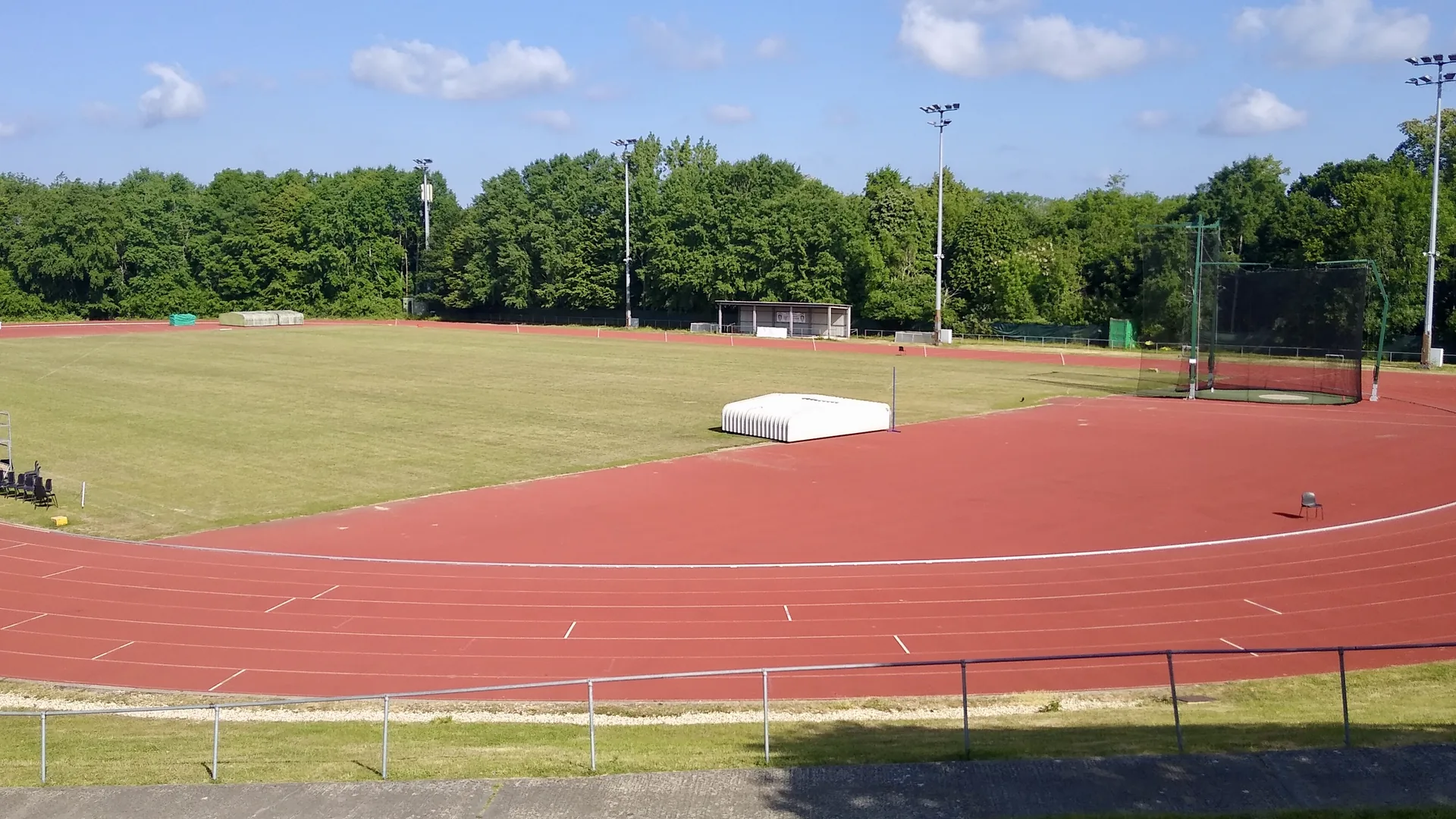
A road 10k and a track 10,000m cover the same nominal distance, but they are distinct events run on different surfaces. The track version uses a standard 400m oval; the road version follows a measured route and has no standard lap count.
| Feature | Road 10k | Track 10,000m |
|---|---|---|
| Surface | Road course | 400m athletics track |
| Lap count | No fixed lap count; the route may use loops or an out-and-back layout | 25 laps of a 400m track |
| World-record list | Separate 10km road record category | Separate 10,000m track record category |
World Athletics maintains separate world-record lists for the 10km road event and the 10,000m track event. The track distance is built from repeated laps on a standard oval, while the road distance is covered along a measured outdoor route. Different surfaces and course layouts mean the performances belong to separate record categories, even though both events cover 10 kilometres.
Where a 10k sits among other races
By distance alone, a 10k sits between a 5k and a half marathon. The three standard distances are shown below.
| Race | Distance in kilometres |
|---|---|
| 5k | 5 km |
| 10k | 10 km |
| Half marathon | 21.0975 km |
The 10k is 5 kilometres longer than a 5k, while the half marathon extends 11.0975 kilometres beyond it. These figures compare course lengths only; they do not set a pace or predict how long an individual runner will take.
How a UK 10k race works
A road race in England follows a different set of arrangements from an informal group run. Licensing, course measurement and timing rules help runners understand what an event offers and how its results are recorded. Entry conditions can also distinguish between runners who belong to an affiliated athletics club and those who enter unattached. Check the event information before paying for a place so the course and competition arrangements match your expectations.
Licence and a measured course
Road races in England are licensed under UK Athletics rules through England Athletics. A licence means the event is organised under the applicable competition rules; it does not mean every course is identical. Organisers commonly provide marshals at turns and crossings, and a finish funnel helps guide runners safely beyond the line. A course used for a record must be measured by an accredited measurer, so check the event information if record eligibility matters to you.
Before entering, compare the published route and race arrangements with what you want from a 10k. Look for these practical details:
- Distance: Check that the advertised event is a 10k and that the route description or map refers to the full race course.
- Terrain: Look for road, trail, park paths or mixed surfaces, plus any stated hills, sharp turns or uneven sections.
- Measurement: Check whether the course is described as measured and, if records matter, whether an accredited measurer is identified.
- Licence: Look for confirmation that the race is licensed under UK Athletics rules through England Athletics, rather than assuming every event is.
- Race arrangements: Check the start and finish locations, the planned route marking, and whether marshals are positioned at turns or crossings.
Route conditions can affect how a race feels even when the stated distance is the same. A road loop with firm surfaces is different from a park course with grass or paths, while tight turns can interrupt pace. Use the organiser’s course map and event information to make a clear comparison before entering.
Gun time and chip time
Gun time starts with the race start signal; chip time starts when an individual runner crosses the start line. At a large event, runners may take several seconds or longer to reach the line after the signal, so chip time shows their elapsed time from crossing to finishing. Gun time records the race interval from the signal and is not reduced by the time spent waiting in the start area.
Both figures can appear in the results because they answer different questions. Gun time records the event’s shared start, while chip time gives each runner a personal elapsed time. In many mass-participation races, chip time is useful for comparing your own performance, but the event rules determine how official places and prizes are decided. For an overall finishing position, gun time is commonly used; check the race information rather than assuming the displayed chip time decides placing. Results may show both values side by side, often labelled “gun” and “net” or “chip”.
Club runners and unaffiliated runners
An affiliated runner is registered with England Athletics through an athletics club affiliated to the governing body. Club membership connects the runner to that club for competition purposes; it is different from simply training with a group that meets locally. When entering a race, an affiliated runner may be asked to provide their club name and England Athletics registration details so the organiser can record the affiliation correctly.
An unaffiliated runner, sometimes described as unattached, enters without representing an England Athletics-affiliated club. That status does not usually prevent entry to an open road 10k: runners can take part as individuals, subject to the event’s entry conditions. The result may list the runner as unattached rather than beside a club name.
The distinction can matter for competition categories and awards. Some races include club team results or reserve particular prizes for eligible affiliated athletes, while other events rank all entrants together. Championship entry may also have separate eligibility rules. Read the race regulations and entry form before selecting a club or unattached option; do not enter a club affiliation unless it is current and applies to you. Both club and unattached runners can share the same start, course and finish arrangements at an open event.
Finding a 10k near you
A search for a 10k close to home is a request for an event to enter, rather than another explanation of the distance. The available choices depend on where you live and when you want to run. Current listings can help you compare entry details, travel and course information before committing. A local club and national race listings are useful starting points, while weekly parkrun events offer a different distance.
What the search is asking
Typing “10k races near me” usually means you want a local event with an entry process, a start time and a course you can reach. It is a search for an opportunity to take part, not a second definition of the 10k run distance. The most useful results will reflect your preferred travel range and the period when you are available to race.
Event information changes throughout the year. Organisers may open or close entries, revise start arrangements, or cancel an event, so a printed list can become inaccurate soon after publication. Before choosing, check the current event date, remaining entry availability, start location, travel options and the published course details. If you need step-free access, facilities or a particular surface, confirm those details with the event listing rather than relying on an old directory entry. A current listing is a better basis for planning than a saved page with no update date.
Club fixtures and licensed races
Several types of listing can help you find UK races without relying on an old printed calendar. Check the latest details on the event’s own listing before making travel or entry plans.
- Look at a local running club’s fixture list; clubs often share nearby road races and cross-country events, with dates and entry information that members can check.
- Search England Athletics race listings for events in your area, then confirm the current course, entry status and arrangements through the event’s own information.
- Use established event platforms to filter by distance and region; check that the listing is current and that the stated distance is 10k.
- Check local council, leisure-centre and community-sport listings, which may publicise events that are not prominent in national search results.
- Ask a nearby running club whether it knows of suitable fixtures; club members may point you towards listings while you verify details independently.
- Consider parkrun as a free, weekly 5 km event for a regular timed run, but remember that it is not a 10k race.
- Compare the journey as well as the course: public transport, parking, arrival time and the walk from a station can affect a practical race choice.
Listings are a discovery tool, not a substitute for checking the latest event information. Confirm entry availability and travel arrangements before setting your race plans, especially if you are travelling beyond your local area.
Why this page is not a race list
This page explains how to understand and search for a 10k, rather than maintaining a live directory of events. Race calendars change as entries sell out, organisers alter arrangements and new fixtures are added. Naming individual races, cities, dates or organisers here could leave you with information that is out of date, even when it was accurate at the time of writing.
Use current club fixtures, England Athletics listings and event platforms to identify possibilities, then confirm the details directly in the latest event information. Check that the advertised course is measured, the entry is open and the journey works for your schedule. The best choice is a measured race you can travel to comfortably, with current details you have verified before entering.
Nottingham and Wollaton Park
Nottingham offers running at several distances, from short community events to longer road races. Wollaton Park is one of the city’s distinctive places to run, with historic grounds and paths that rise and fall. Its setting has also been used for 10k races, including courses that combined laps with grass. The local distances and the park itself are useful context for anyone considering a 10k run in Nottingham.
A city with several distances
Nottingham has 10k running alongside a long-established half marathon and free 5k parkruns. These options give runners different ways to take part: a 5k offers a shorter community event, a 10k provides a longer road-race distance, and a half marathon covers a substantially greater challenge. The parkruns are free to enter, while organised road races operate as separate events.
Each distance has its own demands and is treated separately in guidance for runners. A 5k is not simply a shorter version of a half marathon: the time spent running, preparation and pacing differ. The 10k sits between them, making it a distinct choice for runners who want to cover more than 5k without taking on a half marathon. Whether you are getting into running for beginners or already run regularly, Nottingham’s range of distances offers more than one format to consider.
Wollaton Park as a place to run
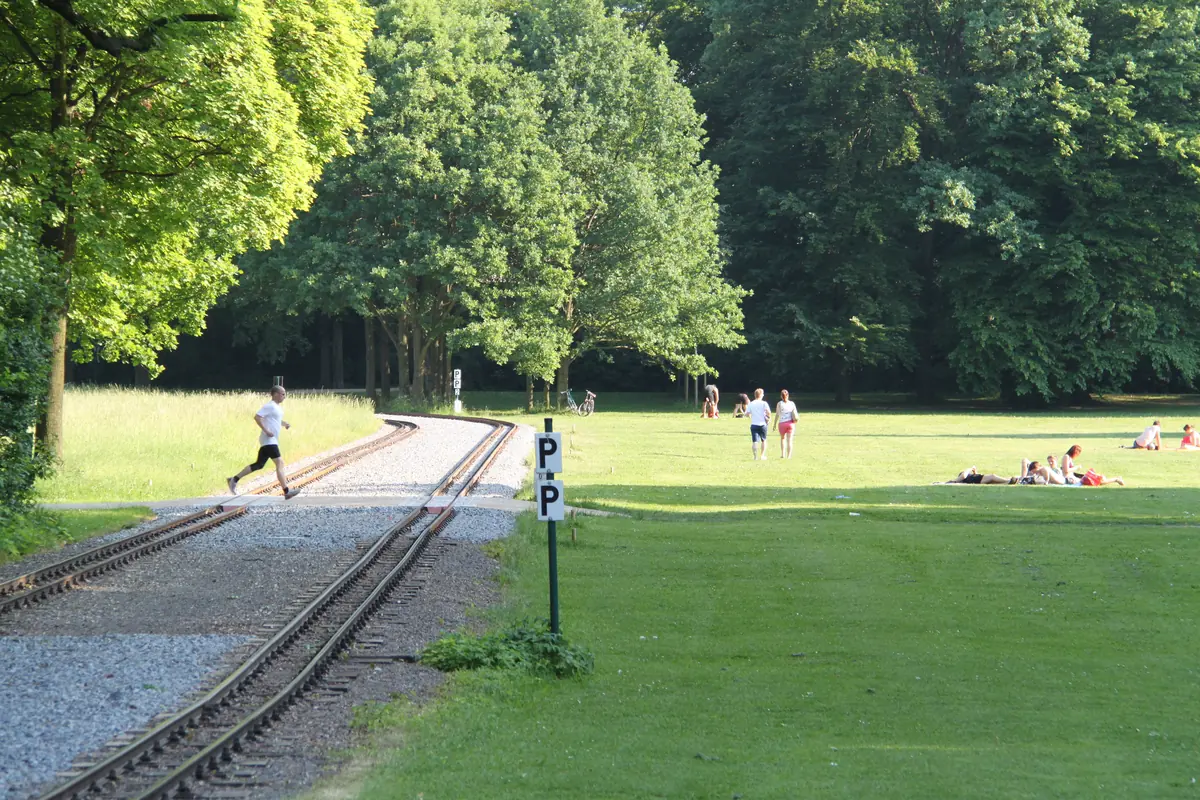
Wollaton Park is a historic deer park in Nottingham, with Wollaton Hall set within its grounds. The park’s landscape is not a level road circuit: runners encounter undulating paths, with rises and dips that change the effort from one stretch to the next. That variation makes the setting different from a flat, uninterrupted city course, even when the distance is familiar.
Past 10k races at Wollaton Park have used laps and sections of grass. A lap-based course brings runners back through parts of the same grounds, while grass underfoot feels different from firm road or paved paths. Conditions can also vary between those surfaces, especially after rain, so an event route should not be assumed to match a standard road 10k. The park remains a place for everyday running as well as a venue that has hosted races; its paths and open grounds offer a changing setting rather than a single, uniformly level circuit. Anyone thinking about a 10k here can keep the park’s slopes and mixed surfaces in mind without assuming that a past race layout is still in use.
What this site is not
This site does not organise a race at Wollaton Park. It has no entries to sell or manage, and it does not publish race results. If you are looking for an entry form, a start time or a confirmed course for a particular event, this is not the place to register or check event-day arrangements.
Instead, use the information here to understand the 10k distance and explore guidance on training for it. A 10k training schedule can help you plan a gradual build-up, while practical 10k run tips can make preparation easier to organise. Those resources are intended to explain the distance and support your running, not to replace information from an event organiser. For a Wollaton Park race, rely on the organiser’s own current details for entries and results; for learning about the distance or preparing to run it, turn to the distance and training material rather than an entry form.
Questions about a 10k run
These answers clarify common questions about the distance, race formats and finding event information.
What is a 10k?
In everyday UK event listings, a 10k is a road race covering 10 kilometres. The name describes the course distance, not a runner’s pace, finish time or level of experience. A road route may use public roads, closed roads or park paths, and the distance alone does not tell you whether it is flat or hilly. It is not a 10-mile race, and it is longer than a standard parkrun, which is 5 km. The label also does not mean that every 10k has the same surface or setting.
How many miles is a 10k?
A 10k is 6.2137 miles, usually rounded to 6.2 miles. The one-decimal version is common in race descriptions and everyday conversation because it is easy to read while remaining a close equivalent. You may also see 6.21 miles when a little more precision is useful. The full conversion is based on the exact length of a mile, but event organisers generally advertise road races in kilometres. When comparing a route measured in miles with a race distance, 6.2 miles is the practical rounded figure; a GPS display need not show the full conversion exactly.
Is a 10k the same as a 10,000m?
Yes, a 10k and a 10,000m cover the same distance, but they usually refer to different race formats. A track 10,000m is run on an athletics track; on a standard 400m track, athletes complete 25 laps. The track format has a consistent oval surface and lap-based racing, while a road event follows an outdoor course. Track and road performances are recorded in separate event categories, so their record lists are not interchangeable. The distance is equivalent, but the setting and race conditions distinguish the two disciplines.
How do I find a 10k near me?
To find a nearby 10k, search for a local event and verify its details with the organiser before making plans. Running clubs often share fixture information and can point you towards races in their area. England Athletics event listings are another useful place to check for registered events. Confirm the date, location, entry status and course information using current event communications, as schedules and available places can change. Static race lists are best treated as starting points: an event may be added, cancelled or become full after a list was last updated.
Is this the Wollaton Park 10k race site?
No, this is not the Wollaton Park 10k race site. It is an independent guide offering general information about 10k running, not a page operated by the race organiser. It does not accept entries, process race payments or provide official results. For a particular event date, entry availability, course updates or finishing times, check the organiser’s own current information. The guide cannot confirm that the Wollaton Park race is taking place or that places are available, so use organiser communications for those event-specific details.
Not a race website
There is no entry button, no start list and no results archive. A date for a local race lives with the organiser, not on this guide.
What to read before a local 10k
Pace and time
Sub-60 is 6:00 per kilometre. Sub-50 is 5:00. Sub-40 is 4:00 per kilometre and is not a beginner mark. The pace page prints those rows.
Pace chart
Not an entry
Wollaton Park is a place to run, with paths and grass. A lap of the park is not automatically a measured 10k, and this site does not time one.
Independent guide
Field notes
-
Nottingham parkrun
Nottingham parkrun is a free weekly 5k, not a 10k. How the barcode and age grade work, and why doubling a parkrun time is not a 10k prediction.
-
10k world record
The 10k world record on the track and on the road: ratified World Athletics marks for men and women, and why a road 10km is not the 10,000m.